

Restoring Trust in Municipalities Through GIS-Enabled Asset Management Systems
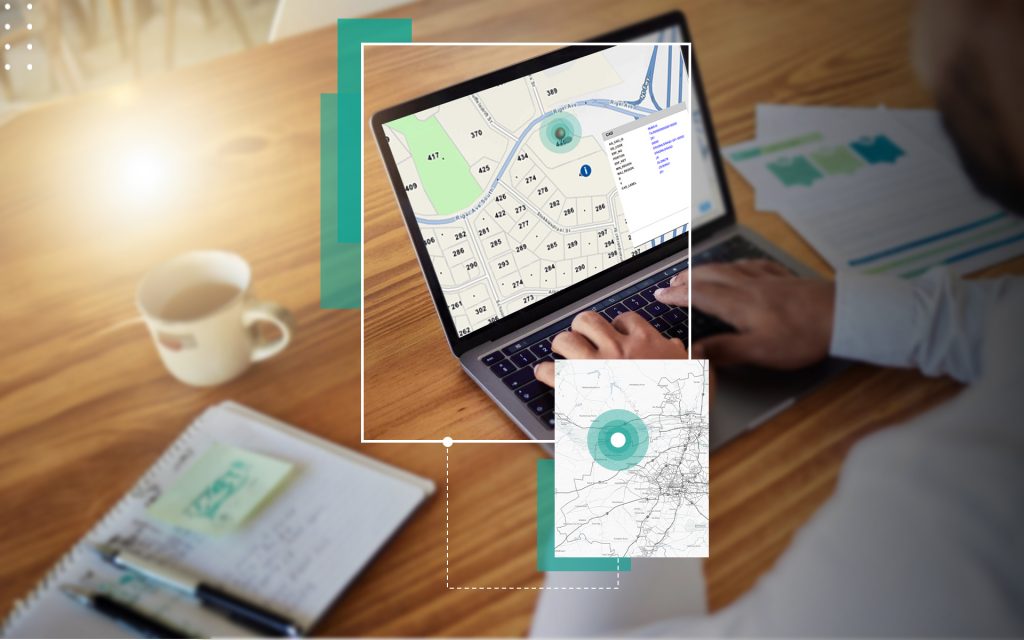
Restoring Trust in Municipalities Through GIS-Enabled Asset Management Systems Recently, President Cyril Ramaphosa acknowledged at the ANC’s councillor roll call in Soweto that DA-led municipalities often outperform those run by the ANC, urging councillors to learn from better-performing municipalities. This highlights the urgent need for South African municipalities to restore public trust by improving service delivery, enhancing accountability, and operating with transparency, writes Rochelle Mountany, CEO of AfriGIS. Many municipalities struggle due to siloed, incomplete, or outdated data leading to challenges in revenue collection, waste management, and service allocation. Informal developments, unregistered properties, and sectional schemes frequently go unrecorded, creating blind spots that weaken efficiency and accountability. The solution lies in a GIS-enabled asset management system: a centralised data platform accessible across all municipal departments. By integrating billing, legal, water, and infrastructure information into one source of truth, municipalities can track every household, service request, and asset in real-time. This ensures accurate allocation of resources, transparent workflows, and improved accountability. Councillors and managers can verify property ownership, monitor service coverage, track incident response times, and even reduce corruption through verified contractor management. The ability to overlay critical geospatial data such as land use, flood-prone areas, and cadastre records further strengthens decision-making for planning, emergency response, and development approvals.
Read More
How Geospatial Insights Can Transform Service Delivery Planning and Analysis in South Africa
South Africa’s property development market is full of potential but making the right decisions about where and what to build requires more than just identifying available land. At AfriGIS, we help developers make smarter, data-driven decisions by combining geospatial science with powerful tools like Trade Area Analysis. Our approach goes beyond traditional land evaluation, offering a comprehensive understanding of the market landscape everything from rental trends and income levels to transport links, infrastructure, and environmental risks. With demand for multifamily housing on the rise and urban growth shifting rapidly, developers can no longer rely on static reports or surface-level insights. AfriGIS offers real-time, dynamic data that evolves with the market, allowing for informed decision-making throughout the entire development lifecycle from initial land acquisition to ongoing operational strategy. Whether you're developing luxury apartments, student housing, or affordable family homes, we provide the insights needed to align your investment with actual market demand. Our tools offer a clear view of the bigger picture, helping developers assess potential return on investment, forecast demand, reduce risk, and optimise each development’s success. With features like the Neighbourhood Lifestyle Index, developers gain a deep understanding of who will live in their developments their income, preferences, and lifestyle needs enabling more targeted and profitable projects. At AfriGIS, we help you future-proof your property investments by offering a smarter way to see and understand the spaces you build in. Let data guide your decisions and unlock long-term growth.
Read More
AfriGIS Recognised as a Core Contributor to GeoServer
South Africa’s property development market is full of potential but making the right decisions about where and what to build requires more than just identifying available land. At AfriGIS, we help developers make smarter, data-driven decisions by combining geospatial science with powerful tools like Trade Area Analysis. Our approach goes beyond traditional land evaluation, offering a comprehensive understanding of the market landscape everything from rental trends and income levels to transport links, infrastructure, and environmental risks. With demand for multifamily housing on the rise and urban growth shifting rapidly, developers can no longer rely on static reports or surface-level insights. AfriGIS offers real-time, dynamic data that evolves with the market, allowing for informed decision-making throughout the entire development lifecycle from initial land acquisition to ongoing operational strategy. Whether you're developing luxury apartments, student housing, or affordable family homes, we provide the insights needed to align your investment with actual market demand. Our tools offer a clear view of the bigger picture, helping developers assess potential return on investment, forecast demand, reduce risk, and optimise each development’s success. With features like the Neighbourhood Lifestyle Index, developers gain a deep understanding of who will live in their developments their income, preferences, and lifestyle needs enabling more targeted and profitable projects. At AfriGIS, we help you future-proof your property investments by offering a smarter way to see and understand the spaces you build in. Let data guide your decisions and unlock long-term growth.
Read More
A Call for Change in South Africa’s Tech and Geospatial Sectors
South Africa’s property development market is full of potential but making the right decisions about where and what to build requires more than just identifying available land. At AfriGIS, we help developers make smarter, data-driven decisions by combining geospatial science with powerful tools like Trade Area Analysis. Our approach goes beyond traditional land evaluation, offering a comprehensive understanding of the market landscape everything from rental trends and income levels to transport links, infrastructure, and environmental risks. With demand for multifamily housing on the rise and urban growth shifting rapidly, developers can no longer rely on static reports or surface-level insights. AfriGIS offers real-time, dynamic data that evolves with the market, allowing for informed decision-making throughout the entire development lifecycle from initial land acquisition to ongoing operational strategy. Whether you're developing luxury apartments, student housing, or affordable family homes, we provide the insights needed to align your investment with actual market demand. Our tools offer a clear view of the bigger picture, helping developers assess potential return on investment, forecast demand, reduce risk, and optimise each development’s success. With features like the Neighbourhood Lifestyle Index, developers gain a deep understanding of who will live in their developments their income, preferences, and lifestyle needs enabling more targeted and profitable projects. At AfriGIS, we help you future-proof your property investments by offering a smarter way to see and understand the spaces you build in. Let data guide your decisions and unlock long-term growth.
Read More
Driving Smarter Property Development Decisions with Geospatial Insights
South Africa’s property development market is full of potential but making the right decisions about where and what to build requires more than just identifying available land. At AfriGIS, we help developers make smarter, data-driven decisions by combining geospatial science with powerful tools like Trade Area Analysis. Our approach goes beyond traditional land evaluation, offering a comprehensive understanding of the market landscape everything from rental trends and income levels to transport links, infrastructure, and environmental risks. With demand for multifamily housing on the rise and urban growth shifting rapidly, developers can no longer rely on static reports or surface-level insights. AfriGIS offers real-time, dynamic data that evolves with the market, allowing for informed decision-making throughout the entire development lifecycle from initial land acquisition to ongoing operational strategy. Whether you're developing luxury apartments, student housing, or affordable family homes, we provide the insights needed to align your investment with actual market demand. Our tools offer a clear view of the bigger picture, helping developers assess potential return on investment, forecast demand, reduce risk, and optimise each development’s success. With features like the Neighbourhood Lifestyle Index, developers gain a deep understanding of who will live in their developments their income, preferences, and lifestyle needs enabling more targeted and profitable projects. At AfriGIS, we help you future-proof your property investments by offering a smarter way to see and understand the spaces you build in. Let data guide your decisions and unlock long-term growth.
Read More
Six Ways to Maximise Your Retail Store’s Success with Trade Area Analysis
Six Ways to Maximise Your Retail Store’s Success with Trade Area Analysis AfriGIS (Pretoria, South Africa – 16 July 2025) Why Location Strategy Is Critical in Retail In the fast-paced retail industry, the key to growth lies in choosing the right locations. Retailers must not only consider foot traffic but also the purchasing power of the surrounding population, consumer characteristics, and ever-changing market dynamics. A poor location decision can lead to missed opportunities and underperforming stores. Cost of shop fitting and wasted costs associated with signing long term lease agreements make this even more crucial. This is where Trade Area Analysis comes into play. For any retail business looking to roll out their first (or fifty-first store), Trade Area Analysis empowers them to make smarter, data-driven decisions. By leveraging this process, retailers can strategically position their stores in locations where the surrounding population has strong purchasing power, competitor locations are known, which significantly increasing the likelihood of high sales performance. The question then isn’t whether Trade Area Analysis is worth the expense, but whether your business can afford not to invest in it Here are six reasons why: 1. Optimising Store Placement Trade Area Analysis uses demographic and geographic data to identify locations with high potential for success, based on factors like population density, income, accessibility, target demographic, competitor locations, and other factors, reducing the risk of opening in underperforming areas. 2. Understanding Customer Demographics Every market is different, and consumer preferences vary by location. Trade Area Analysis helps businesses understand the makeup of their customer base, including age, income, lifestyle, and buying habits. By understanding these factors, retailers can tailor their offerings to meet the needs of local customers, ensuring higher engagement and stronger sales. 3. Improving Marketing Strategies With Trade Area Analysis, retailers can define their target audience based on location-specific data. By understanding the customer demographics within their trade area, businesses can create more targeted marketing campaigns that resonate with local consumers, increasing conversion rates and customer loyalty. 4. Forecasting Demand Predict customer demand by analysing movement patterns, seasonal trends, weather information and demographic shifts. This predictive insight allows businesses to optimise their inventory management, ensuring they’re always stocked with what their customers want, when they want it. 5. Enhancing Operational Efficiency By understanding where customers are located and how they behave, retailers can optimise their supply chain, staffing, and operational resources to ensure they meet demand without overextending their resources. Products can therefore be aligned with target demographics. This leads to cost savings and more efficient day-to-day operations. 6. Mitigating Risks Identify potential risks before they become problems. Whether it's recognising an emerging competitor in a particular area or understanding the impact of infrastructural changes like new public transport routes, businesses can take proactive measures to minimise risk and protect their investment. In today’s competitive retail environment, relying on gut feel or outdated sales data is no longer enough. AfriGIS Trade Area Analysis offers a smarter, more effective way to plan and execute retail rollouts, making it a critical tool for businesses aiming to thrive. The opportunity cost of not investing in Trade Area Analysis: For retailers, choosing the right location isn’t just about visibility—it’s about strategically placing stores in areas where the right customers, with the right purchasing power, are. Trade Area Analysis offers a data-driven approach to ensure that businesses make informed decisions, increase sales performance, and optimise their operations for sustainable growth. WHERE are my customers at the moment? WHERE are my competitors? WHERE should I place new outlets? Learn more about our Trade Area Analysis Location Strategy Solution and schedule a free consultation Speak to an expert
Read More
Empowerment Through Partnership: AfriGIS and Employment Solutions for People with Disabilities
At AfriGIS, we believe that data has the power to transform the world and that power should be shared. Since 2016, we’ve partnered with Employment Solutions, a Tshwane-based nonprofit that creates work opportunities for persons with disabilities. Together, we’re building more than maps we Are building inclusive, empowered communities. What started with basic packaging and manual tasks has evolved into something extraordinary. Today, individuals at Employment Solutions are trained to interpret satellite imagery and update critical street centreline data for our mapping systems the very data that enables GPS navigation, logistics planning, and route optimisation across Southern Africa. These are real jobs with real impact. Currently, the team is focused on digitising Mozambique’s road network a meticulous, high-value task carried out with precision and pride. Through hands-on training tailored to meet the needs of deaf workers and those with limited formal education, Employment Solutions has built a thriving model of supported employment in the digital economy. The collaboration is more than Corporate Social Responsibility it’s a vision for a future where ability is recognised, respected, and rewarded.
Read More
Sharper insights. Smarter decision-making
“We believe water security is set to become a new competitive edge. Supply chains will be judged not just on emissions but on water resilience. Banks will need to understand water adjusted credit risk, insurers will need to underwrite climate sensitive portfolios with location specific water intelligence, and investors will look for real impact and resilience,” says Helen Hulett, Chief Sustainability Officer at AfriGIS. Resolve Water is the platform that enables all of this by design. It brings transparency and actionable insights to businesses, helping them mitigate risk and invest in sustainable water solutions that have long term, measurable impacts on their bottom line. With more than two decades of experience powering location based solutions across the continent, AfriGIS brings the deep technical and contextual expertise needed to launch a solution of this scale and ambition. “This solution builds on the AfriGIS legacy of scaling solutions with trusted insights,” says Rochelle Mountany, Chief Executive Officer at AfriGIS. “With Resolve Water, we’re providing a platform that will not only help businesses understand their water exposure but also allow them to take action that drives resilience, compliance, and long term sustainability.”
Read More
Get game-changing customer insights
“We believe water security is set to become a new competitive edge. Supply chains will be judged not just on emissions but on water resilience. Banks will need to understand water adjusted credit risk, insurers will need to underwrite climate sensitive portfolios with location specific water intelligence, and investors will look for real impact and resilience,” says Helen Hulett, Chief Sustainability Officer at AfriGIS. Resolve Water is the platform that enables all of this by design. It brings transparency and actionable insights to businesses, helping them mitigate risk and invest in sustainable water solutions that have long term, measurable impacts on their bottom line. With more than two decades of experience powering location based solutions across the continent, AfriGIS brings the deep technical and contextual expertise needed to launch a solution of this scale and ambition. “This solution builds on the AfriGIS legacy of scaling solutions with trusted insights,” says Rochelle Mountany, Chief Executive Officer at AfriGIS. “With Resolve Water, we’re providing a platform that will not only help businesses understand their water exposure but also allow them to take action that drives resilience, compliance, and long term sustainability.”
Read More
Unlocking Business Potential with AfriGIS data-driven Insights
“We believe water security is set to become a new competitive edge. Supply chains will be judged not just on emissions but on water resilience. Banks will need to understand water adjusted credit risk, insurers will need to underwrite climate sensitive portfolios with location specific water intelligence, and investors will look for real impact and resilience,” says Helen Hulett, Chief Sustainability Officer at AfriGIS. Resolve Water is the platform that enables all of this by design. It brings transparency and actionable insights to businesses, helping them mitigate risk and invest in sustainable water solutions that have long term, measurable impacts on their bottom line. With more than two decades of experience powering location based solutions across the continent, AfriGIS brings the deep technical and contextual expertise needed to launch a solution of this scale and ambition. “This solution builds on the AfriGIS legacy of scaling solutions with trusted insights,” says Rochelle Mountany, Chief Executive Officer at AfriGIS. “With Resolve Water, we’re providing a platform that will not only help businesses understand their water exposure but also allow them to take action that drives resilience, compliance, and long term sustainability.”
Read More